



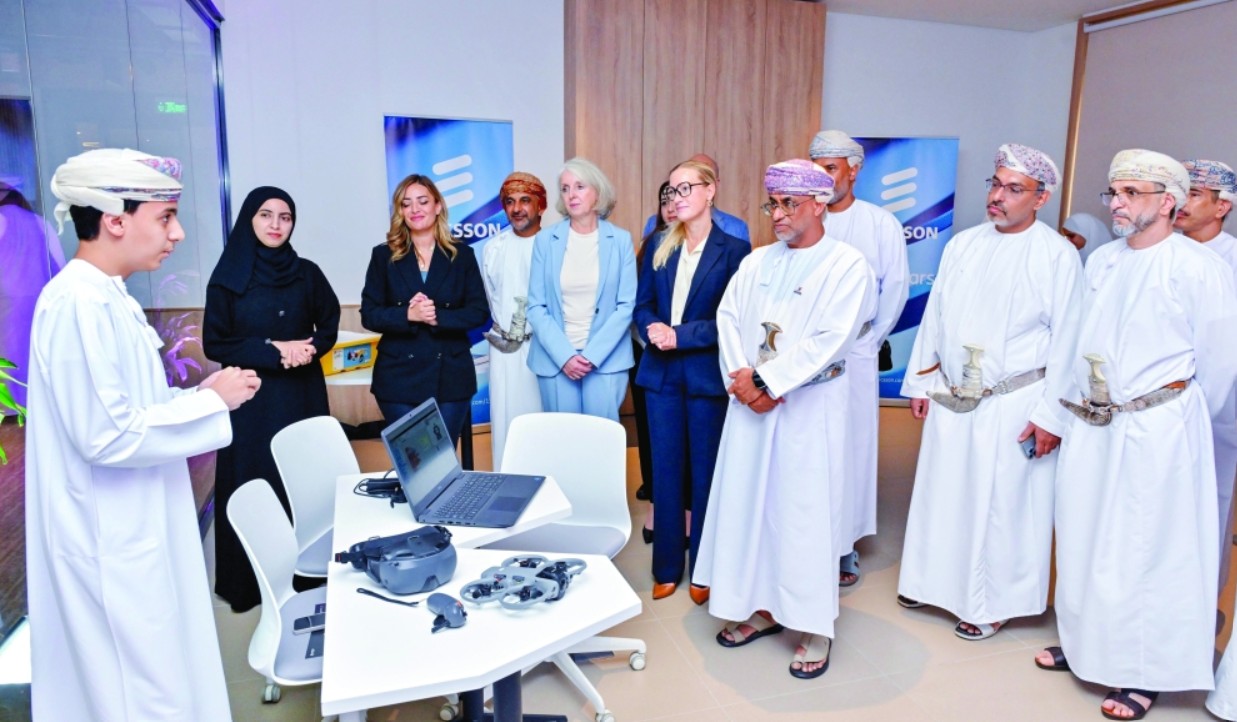
MUSCAT: Oman has opened the new Midad Digital Centre, which will support knowledge transfer, practical training and innovation in artificial intelligence, fifth-generation networks and the Internet of Things. The centre was established at Innovation Park Muscat under the supervision of Oman’s Research and Innovation Authority.
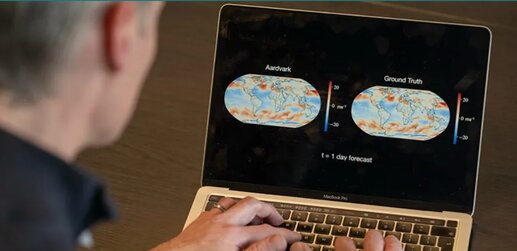
Cambridge: When should farmers sow, when should they harvest, and how can they prepare for drought or intense rainfall? More accurate weather forecasts can make the difference between a good harvest and significant losses. Researchers at the University of Cambridge are therefore participating in Project Cumulus.
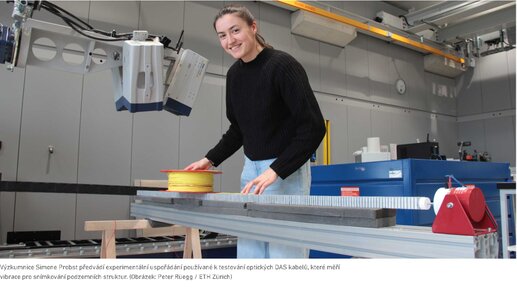
Zurich: Fibre-optic cables that form the backbone of the modern internet could take on an entirely new role. Researchers at ETH Zurich are using a technology known as Distributed Acoustic Sensing (DAS), which can transform an optical fibre into a long array of highly sensitive sensors.
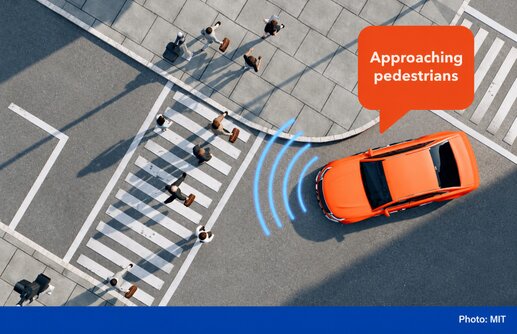
Cambridge: An autonomous vehicle brakes or changes lanes. But for humans, one crucial question remains: why did it do that? Researchers at the Massachusetts Institute of Technology (MIT) have developed a new system designed to help people better understand how artificial intelligence makes decisions and predict when it might make a mistake.

Brussels: The European Union is entering a new phase in the development of artificial intelligence. Following the selection of the winning EUROPA consortium in June, led by the Italian technology company Domyn, preparations are now underway to develop an open European AI model that will support all 24 official languages of the European Union.
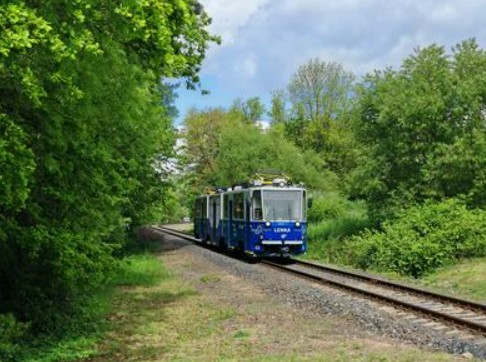
Kopidlno: Czech technology company AŽD has begun testing a battery-powered train called LENKA, an acronym for Lehké Elektrické Nabíjecí Kolejové (Light Electric Rechargeable Rail Vehicle). The project aims to determine whether a simpler and more energy-efficient vehicle could replace conventional train sets on regional railway lines.